


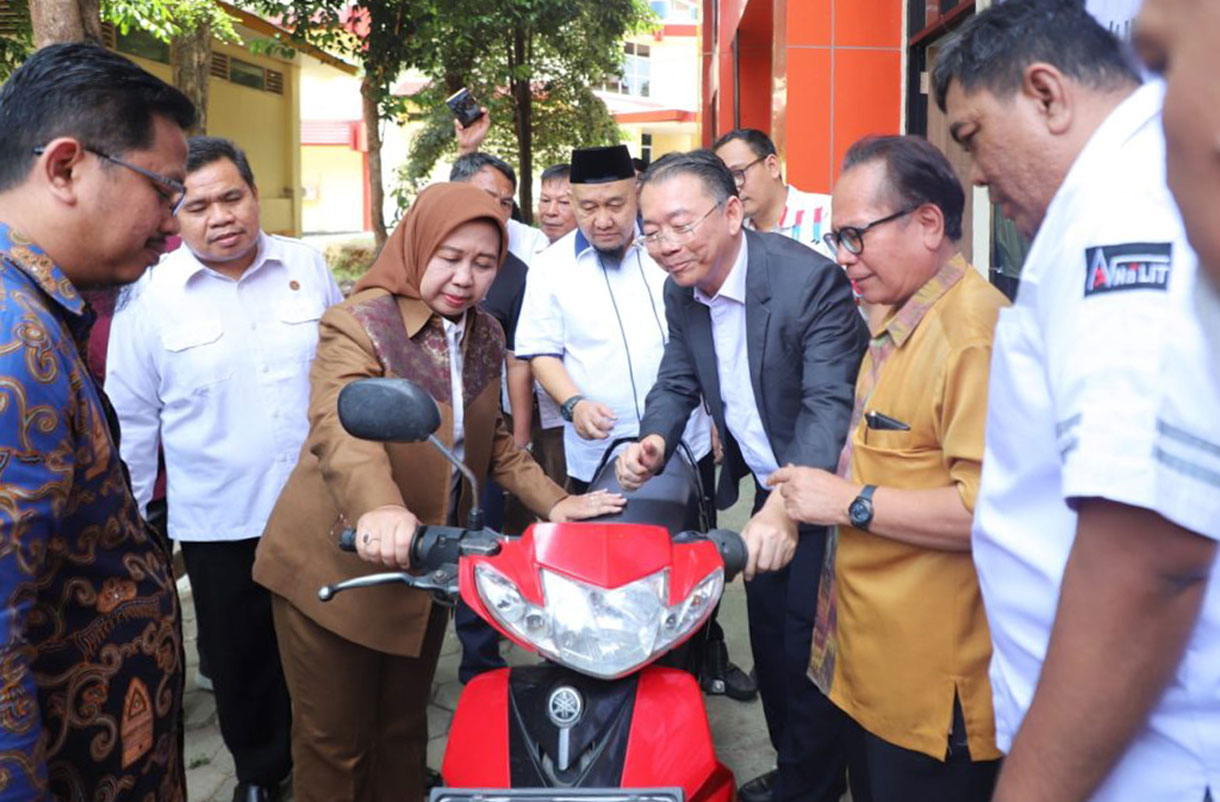
A major step toward Indonesia’s renewable energy transition took place at Universitas Lampung (Unila), September 3, 2024, where the university’s Catalyst Research Team, the Department of Chemistry, and Agroinvestama Group conducted a field test of an innovative palm-based biofuel called Bensin Sawit Unila (BSU) 35. The trial, held in the courtyard of the Chemistry Building, marks a significant milestone in the development of renewable palm-based fuel that is cleaner, sustainable, and derived from Indonesia’s abundant natural resources.
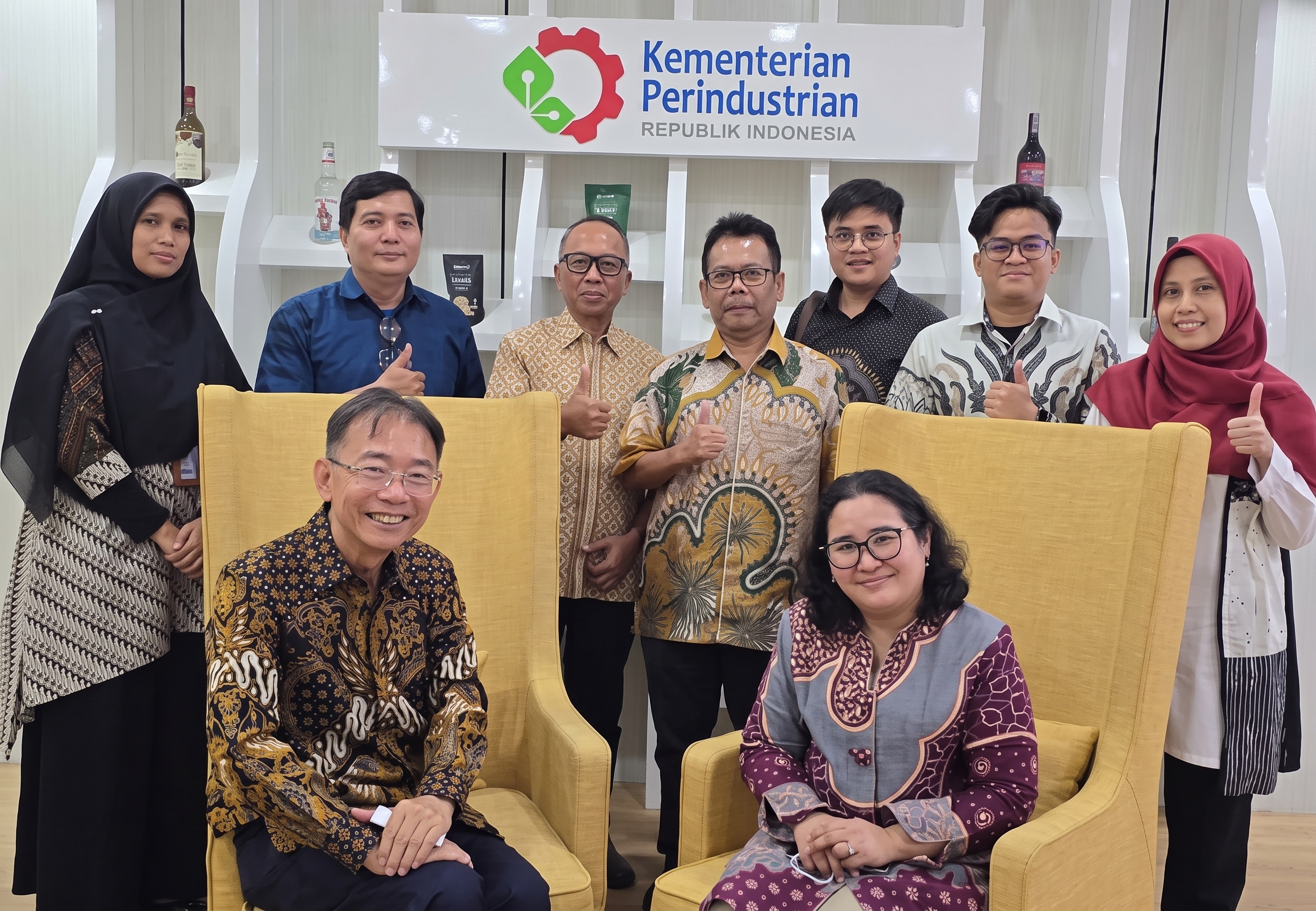
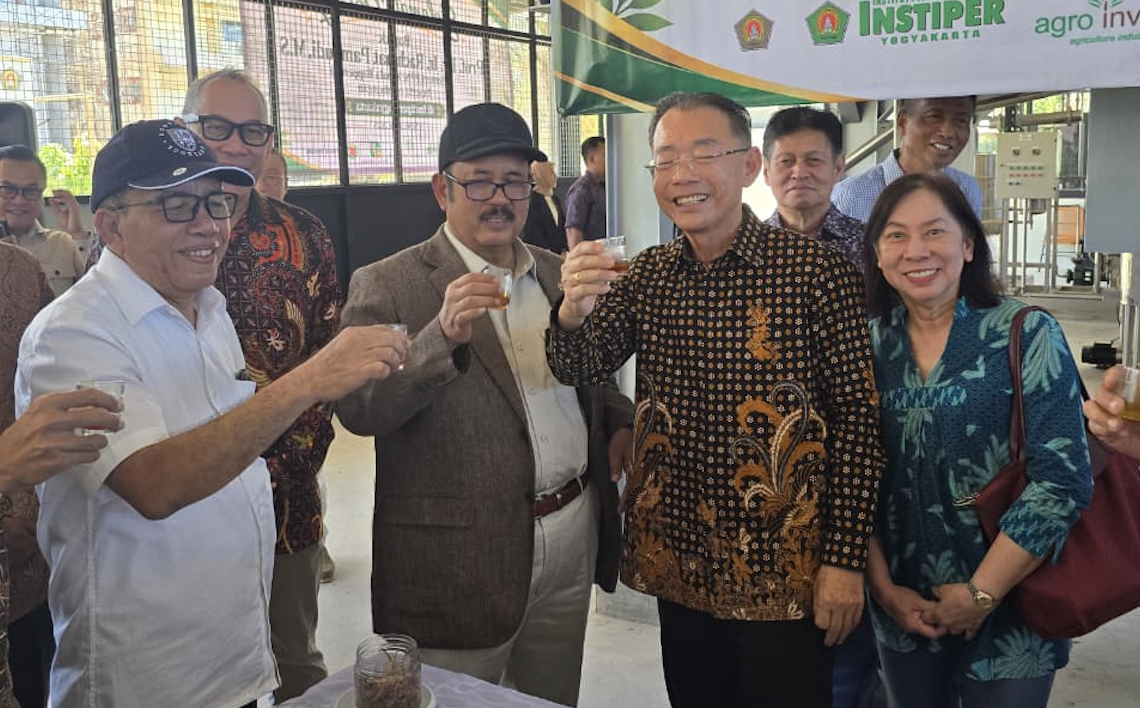
The research behind BSU 35 is led by Prof. Wasinton Simanjuntak, Ph.D., supported by Prof. Dr. Kamisah, Diky Hidayat, M.Sc., and five alumni of FMIPA Unila. The field test was attended by Unila Rector Prof. Lusmeilia Afriani, faculty leaders, lecturers, and representatives from Agroinvestama Group, including Petrus Tjandra. Their presence reflects a shared commitment to advancing renewable energy innovation through meaningful collaboration between academia and industry.
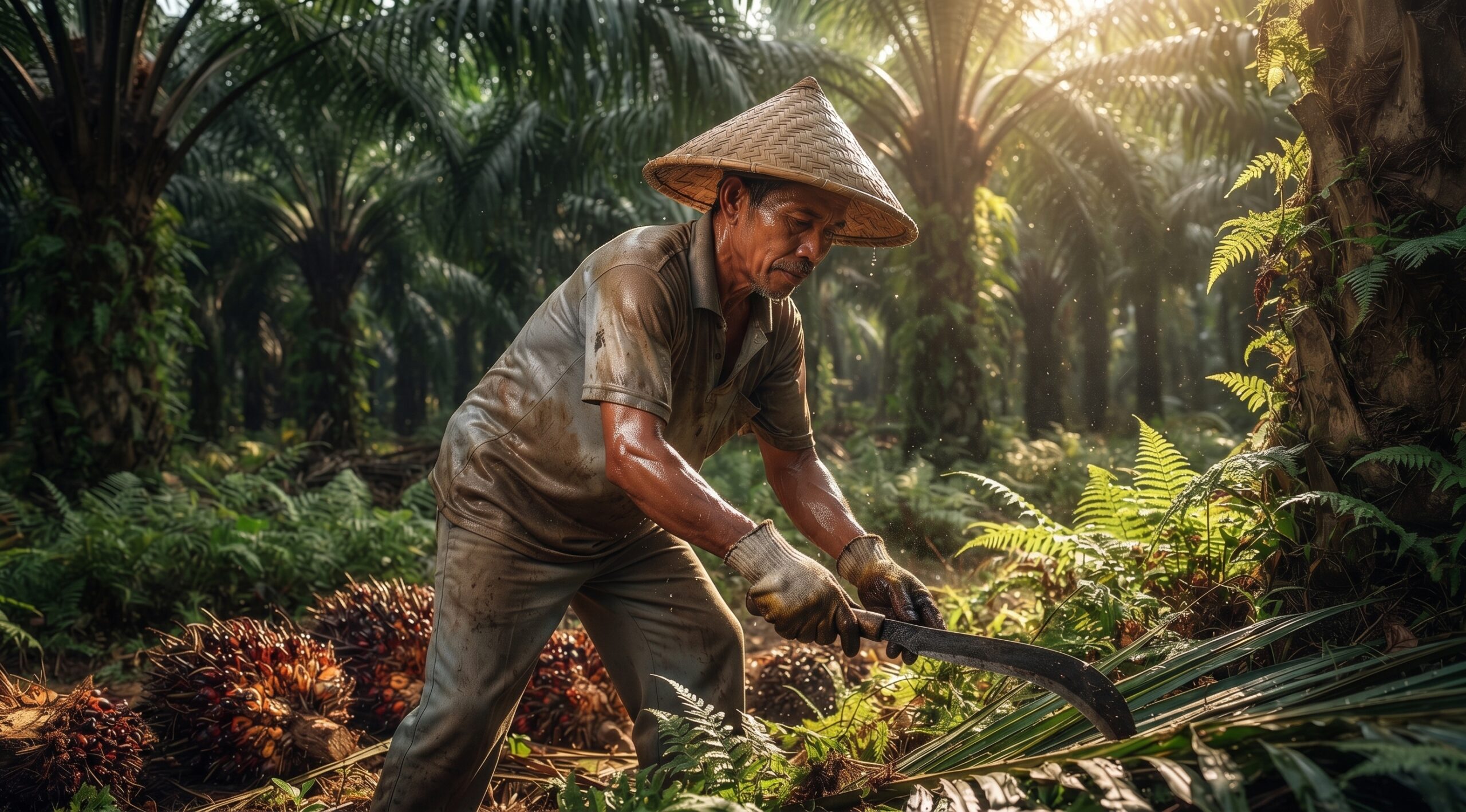
BSU 35 was developed as a response to the growing need to reduce reliance on fossil fuels and to explore sustainable alternatives. Lampung, as one of Indonesia’s key palm oil–producing regions, offers ample raw materials, making palm oil an ideal source for the next generation of palm-based biofuel. Using functionalized catalysts, the research team converts palm oil into biohydrocarbons—the fundamental components of biogasoline, bioavtur, and biodiesel. “Palm oil is processed and cracked with the help of catalysts to produce biogasoline,” explained Prof. Wasinton, emphasizing the technology’s potential to support large-scale renewable energy production.

Agroinvestama Group participated directly in evaluating the performance of BSU 35 in real-world conditions. According to Petrus Tjandra, the biogasoline was blended with Pertamax in a 35% BSU and 65% Pertamax ratio before being tested on a motorcycle engine. The results were highly promising: the engine started smoothly, ran normally for everyday use, and produced cleaner emissions compared to conventional fossil fuels. The test demonstrates that palm-based biogasoline can be both practical and environmentally friendly, reinforcing its potential as a sustainable transportation fuel.
Unila’s Rector, Prof. Lusi, expressed pride in the success of the renewable energy research and appreciation for Agroinvestama Group’s support. She hopes BSU 35 can be introduced gradually, starting within the Unila campus and later to communities across Lampung. The rector’s support highlights the university’s growing role as a center for high-impact research that contributes directly to national energy challenges.
For Agroinvestama Group, the BSU 35 innovation is clear evidence that palm oil can evolve beyond its role as an agricultural commodity and become a strategic source of cleaner, renewable fuel. The collaboration underscores the company’s commitment to developing green energy solutions, enhancing the value of Indonesia’s palm oil sector, and contributing to the nation’s long-term renewable energy transition. Palm-based biofuel innovations like BSU 35 align with global sustainability trends and can support Indonesia’s efforts to lower carbon emissions while ensuring energy security.
BSU 35 is more than a research output—it represents a new vision for Indonesia’s energy future, where local resources, scientific innovation, and industry collaboration come together to create impactful environmental solutions. Agroinvestama Group is proud to be part of this advancement and remains committed to supporting the continued development of palm-based renewable fuels that are scalable, practical, and beneficial for communities.



 Facebook
 Instagram
 Tiktok
 Linkedin