


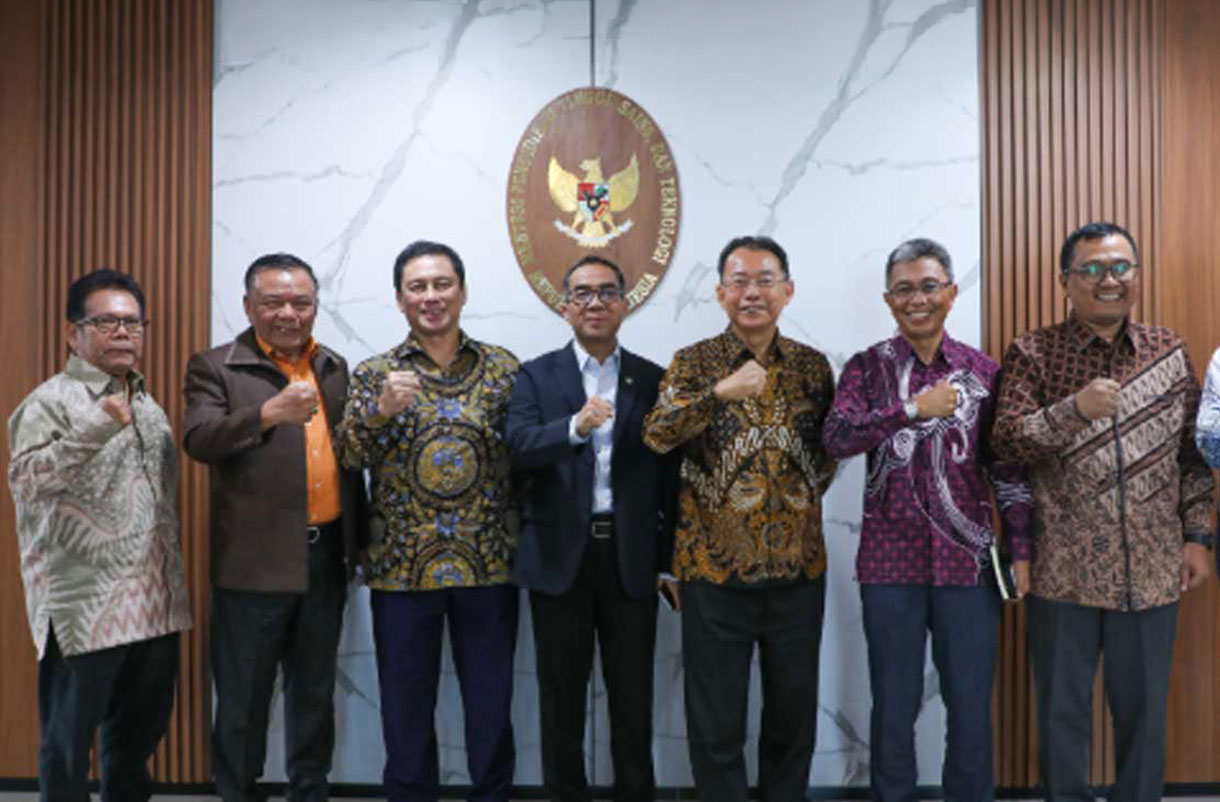
The advancement of dry-process technology in Indonesia’s palm oil industry—and its potential to significantly improve smallholder welfare—became a central topic in a high-level meeting between the Minister of Higher Education, Science, and Technology, Brian Yuliarto, and the Indonesian Palm Oil Council (DMSI) in Jakarta on Thursday (12/6/2025).
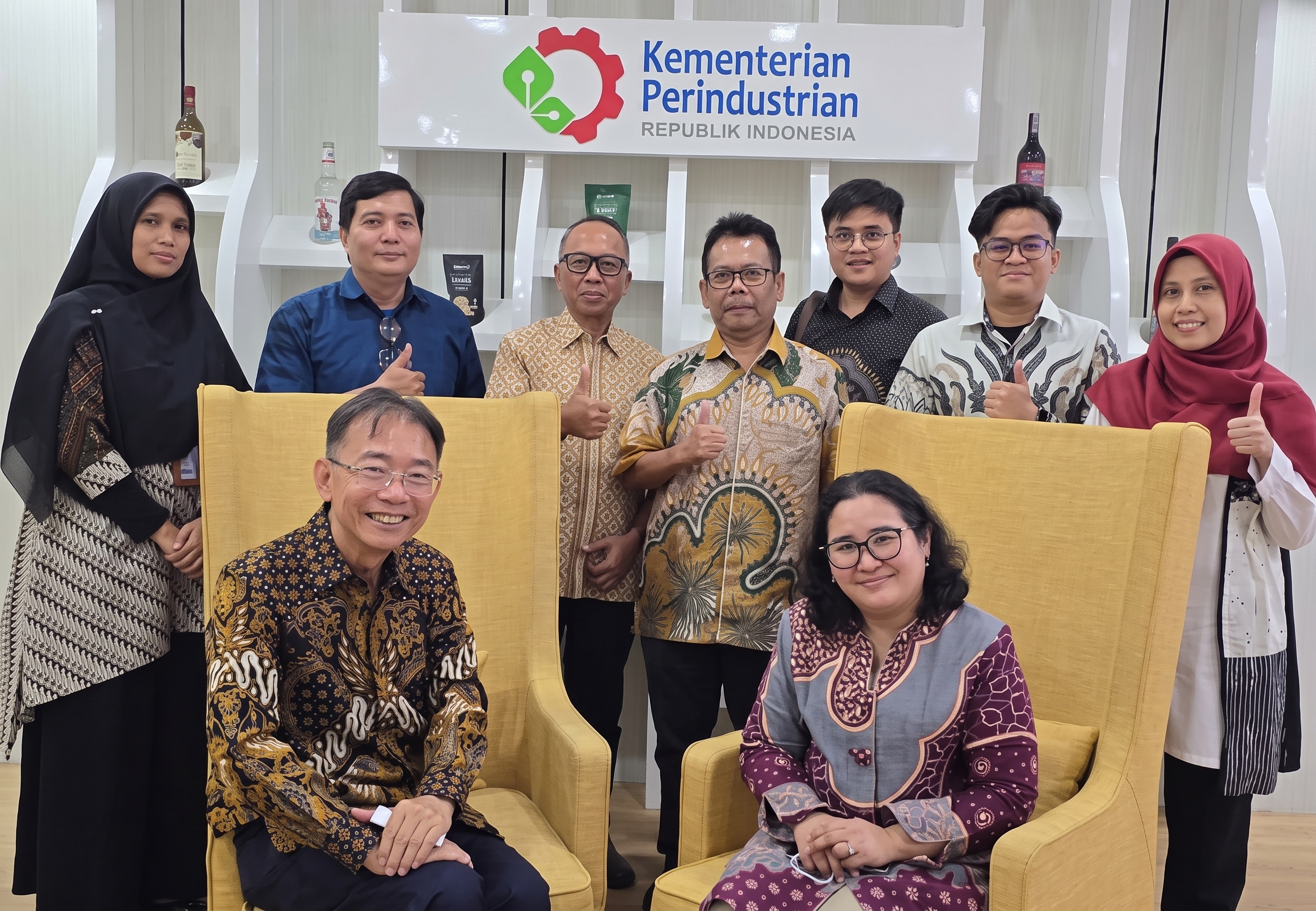
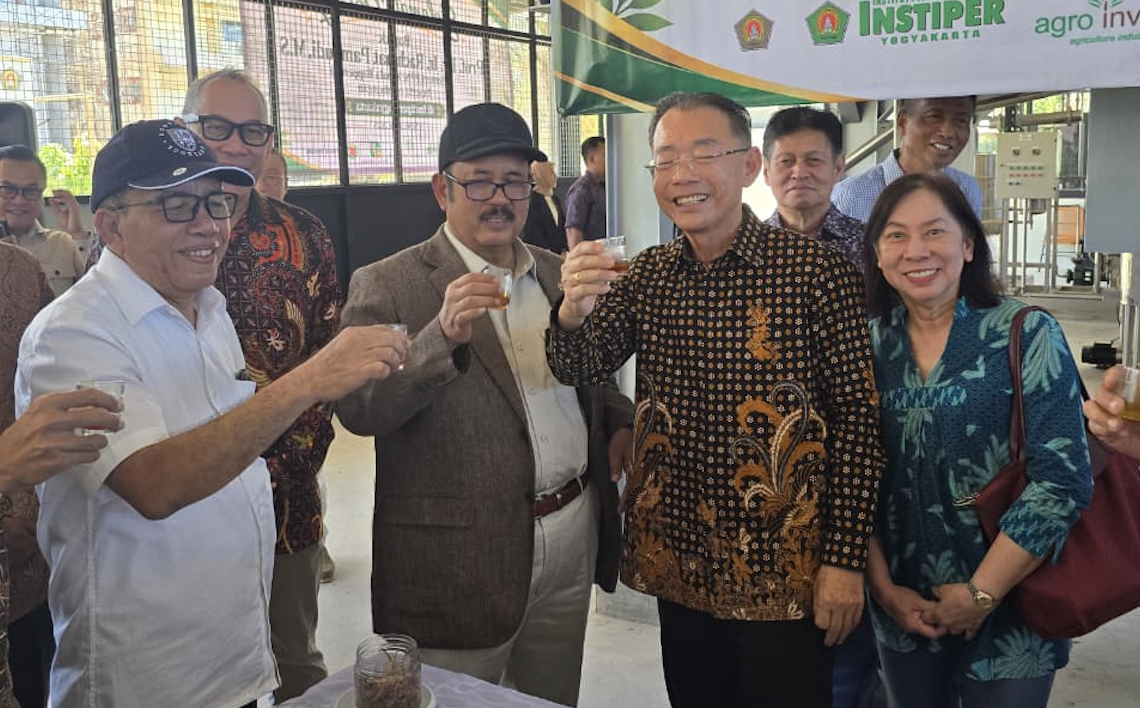
Dry-process technology represents a major leap forward in palm oil processing. Operating below 80°C, it stands in stark contrast to the conventional wet process, which requires temperatures of 180–200°C and produces substantial liquid waste and greenhouse gas emissions. This innovation is the result of collaborative research between the Bandung Institute of Technology (ITB), the Faculty of Mathematics and Natural Sciences at Universitas Indonesia (UI), and industry partners including NCA and Agro Investama Group. The technology has already produced palm-derived products such as refined bleached moisture olein (RBMO) and sterim with extremely low 3-MCPD contaminants—meeting international standards and ready for commercialization.
The meeting was attended by several key industry and academic figures, including DMSI Chairman Sahat Sinaga, Agro Investama Chairman Petrus Chandra, FMIPA UI Professor Budiwan, Nusantara Green Energy Managing Director Iman Dermawan, and NGE Commissioner Zokanda Siahaan. The Minister emphasized the Ministry’s commitment to supporting sustainable research and downstream innovation—not only through technological development, but also through initiatives that directly improve community welfare. He highlighted the national palm oil program as a pilot project that the government will guide until full success is achieved.
The discussion also underscored the urgency of adopting low-emission technologies, increasing value-added palm oil derivatives, and creating an inclusive business model centered on farmers. This farmer-focused model integrates researchers, universities, and industry players to strengthen downstream development with real, measurable impacts at the field level.
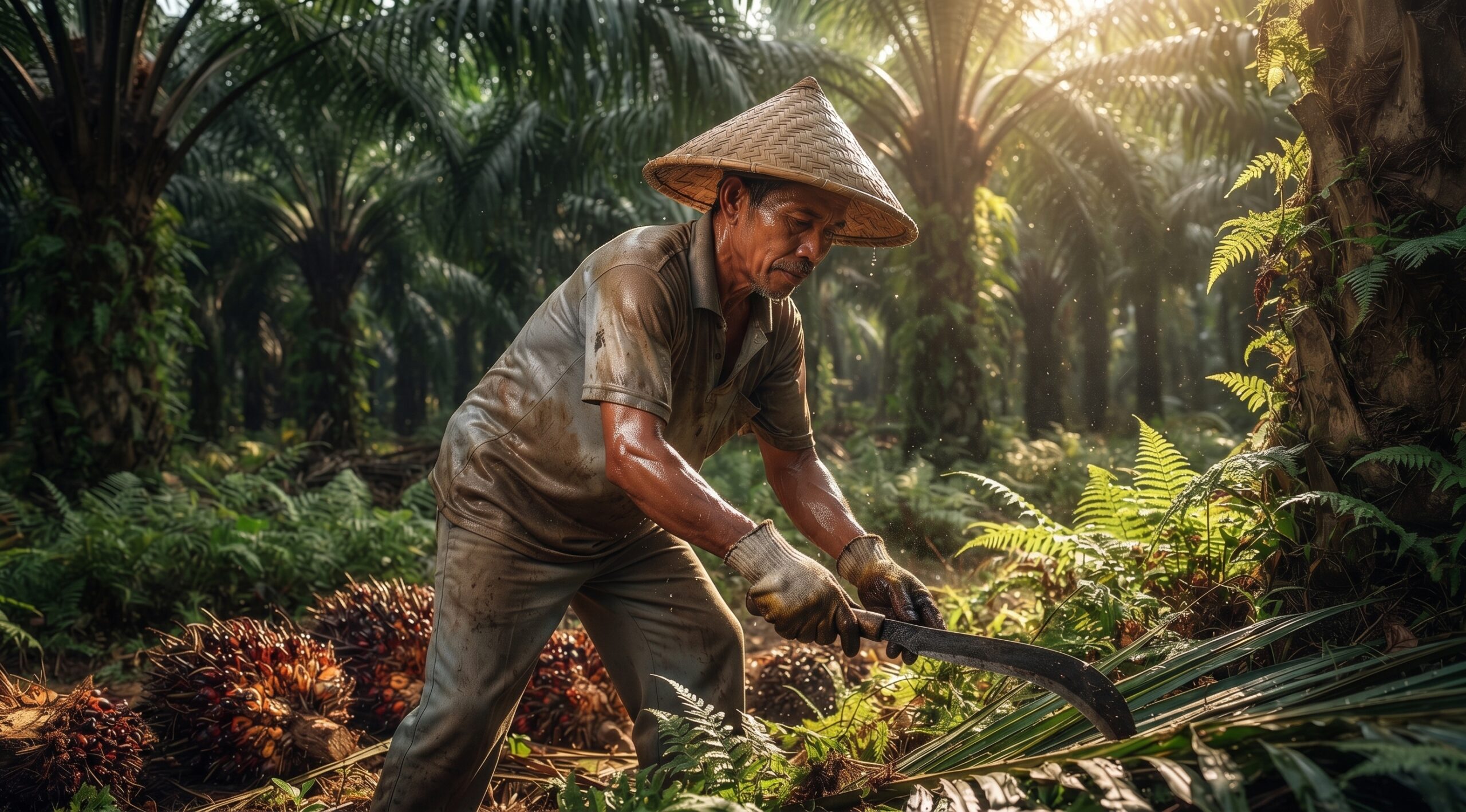
One of the program’s concrete initiatives is the plan to build mini palm oil processing plants in smallholder plantation areas. Using dry-process technology, these mini mills require less energy, generate zero liquid waste, and significantly increase the economic value of farmers’ harvests. The mini plants will be managed under cooperative schemes, collectively owned by farmers, and transferred entirely to them after a designated period.
In its initial phase, the project targets pilot development across more than one million hectares of smallholder land. Of the total 6.88 million hectares of smallholder plantations nationwide, approximately 34.8% require replanting. This replanting effort is projected to boost productivity from 9.2 tons to 21.3 tons per hectare. Economically, the full program is estimated to require Rp171 trillion in investment, covering replanting and processing facility development. With this scheme, the national palm oil industry’s annual income is projected to soar from Rp61.5 trillion to Rp142.7 trillion by 2029, while generating employment for more than 16 million smallholders and their families.
Research is also underway to evaluate palm-based derivatives such as vitamin E and tocopherols for potential inclusion in national nutrition programs. Food fortification using palm-based phytonutrients is being considered as part of Indonesia’s long-term stunting reduction strategy. The Ministry and DMSI are preparing partnerships with national food producers to support fortification distribution across the country.
As a follow-up, Minister Brian has instructed the formation of a special task force to prepare a comprehensive implementation roadmap—including technology specifications, economic impacts, and collaboration mechanisms between government, industry, and universities. This initiative reinforces the principle that science and technology are not merely the outputs of research, but strategic tools capable of addressing national challenges and enabling inclusive, sustainable economic growth.



 Facebook
 Instagram
 Tiktok
 Linkedin