


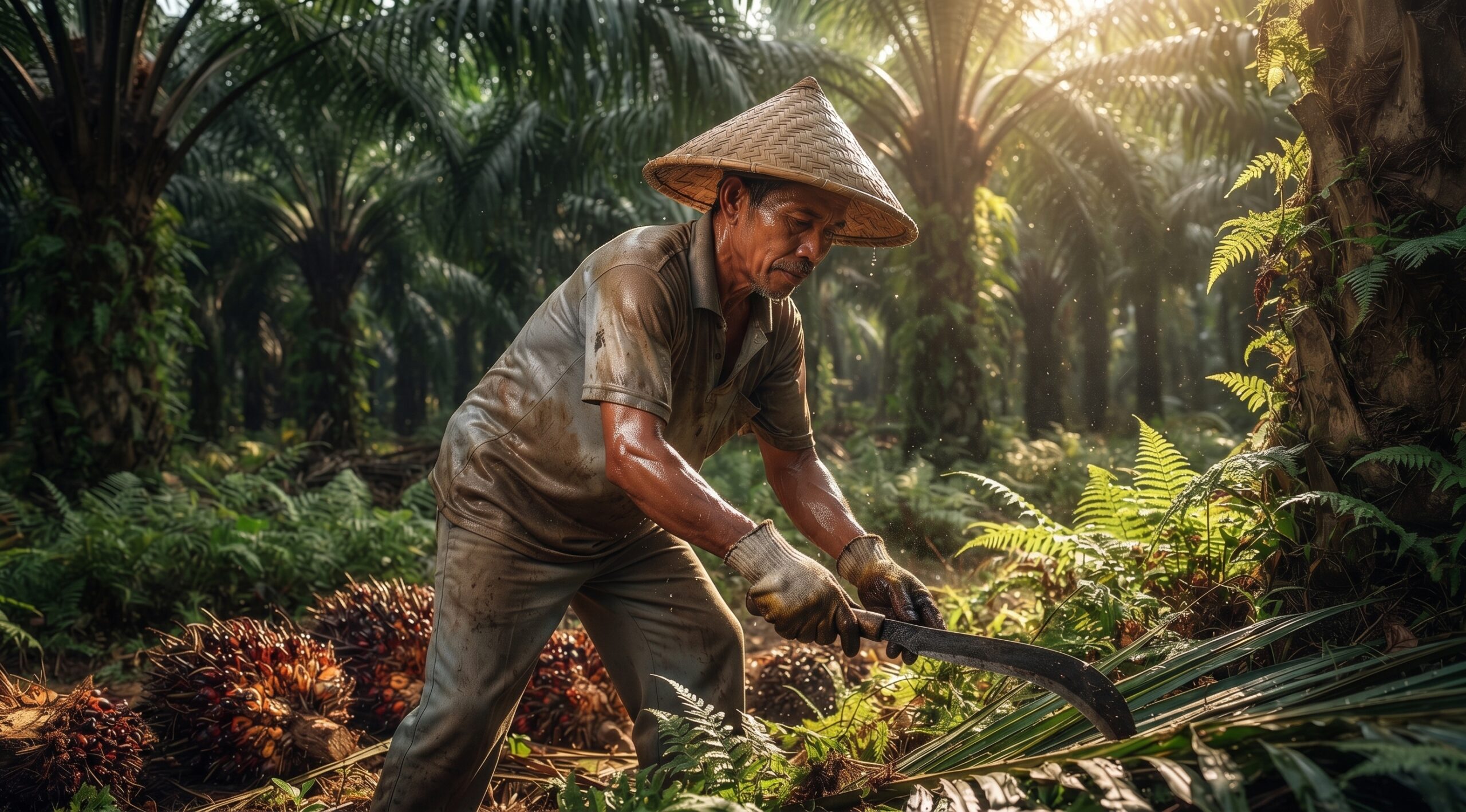
The landscape of Indonesia’s national palm oil industry is entering a new era that places greater emphasis on the welfare of smallholder farmers. Amidst the acceleration of the mandatory B50 biodiesel program initiated by the government, PT Agro Investama President Director Petrus Tjandra has proposed a strategic breakthrough to ensure that smallholder fresh fruit bunches (FFB) can be optimally allocated as national energy feedstock.
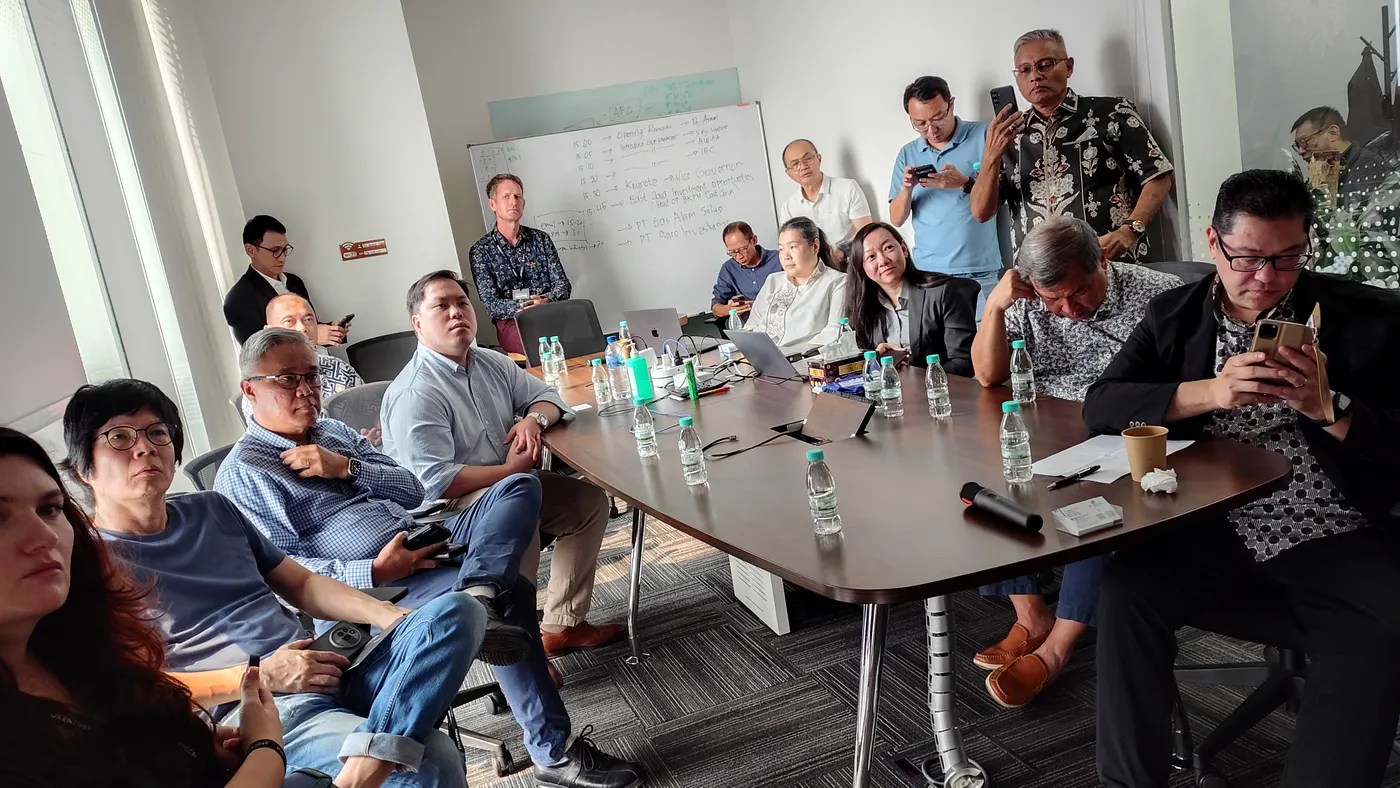
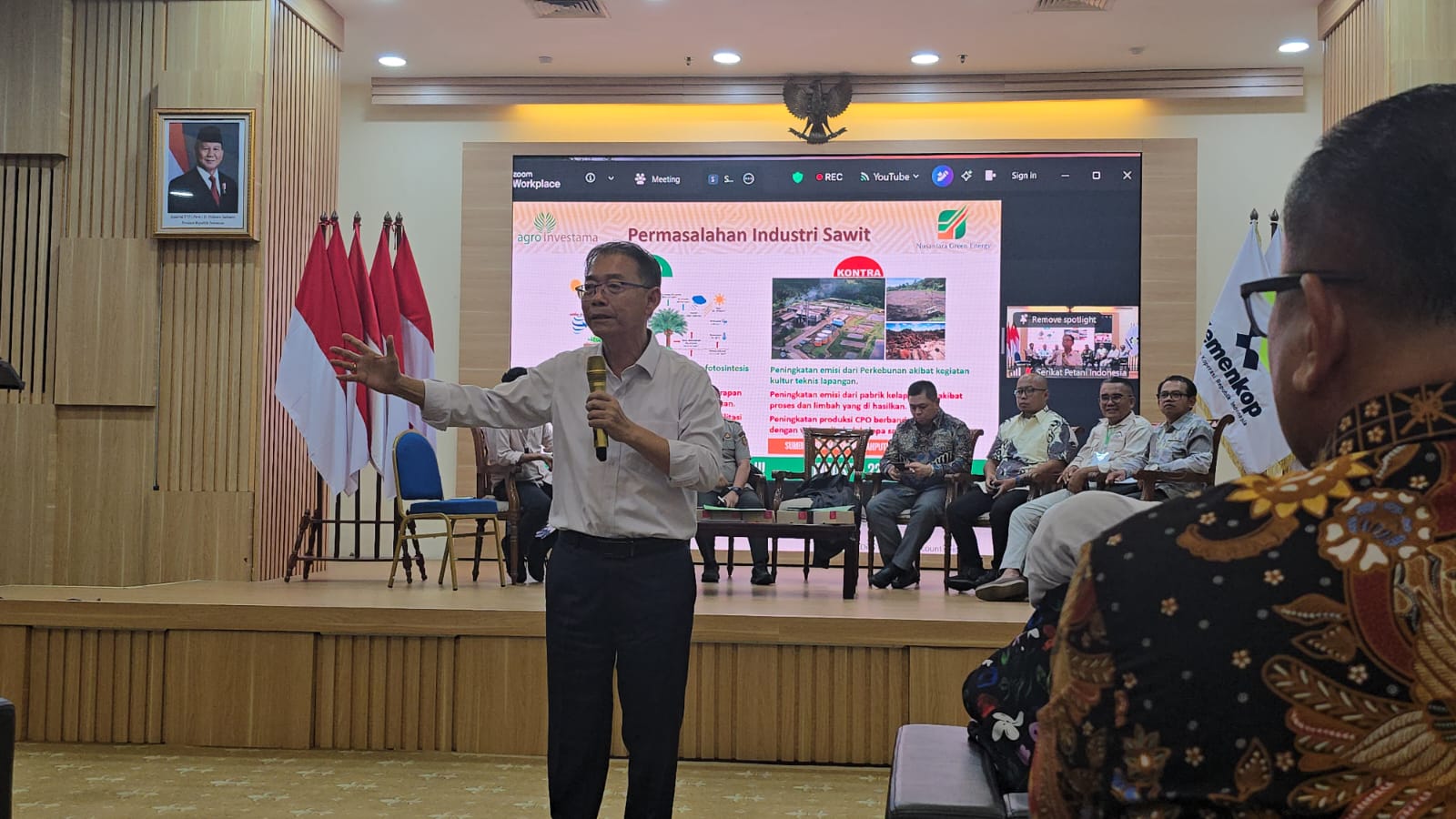
Petrus Tjandra put forward this proposal during a panel session at the 2026 Indonesian Palm Oil Research Week (Perisai) in Jakarta. Through this initiative, Agro Investama is committed to alleviating the classic anxieties of palm oil farmers who frequently face fruit rejections due to strict ripeness standards or the risk of spoilage.
“So we say, I propose a term: our plantations, energy plantations,” Petrus Tjandra stated.
Under this strategic framework, smallholders will no longer need to worry about their harvested fruit being rejected by mills due to over-ripeness or delayed harvesting. In the processing of fruit into energy or biodiesel, the primary priority is the oil content. In fact, riper palm fruit actually contains a significantly higher volume of oil.
Petrus added that proper zoning and structuring of plantation areas from the upstream level plays a crucial role. From the initial planning stage with the Ministry of Agriculture, plantation allocations can be clearly classified—designating which areas are dedicated to energy supply and which are focused on food requirements (such as cooking oil and other downstream derivative products). This approach is believed to eliminate the threat of financial loss caused by rejected spoiled fruit at the farmer level. Meanwhile, large corporations and state-owned enterprises (SOEs) can continue to focus on producing cooking oil and high-value food products.
Strategic Synergy for the B50 Mandate
This progressive step introduced by Agro Investama coincides with the rollout of monumental national policies. The implementation of the mandatory B50 biodiesel program, officially inaugurated by the President of the Republic of Indonesia, requires a massive additional supply of Crude Palm Oil (CPO) to meet domestic energy demands.
The government emphasizes that this program proves Indonesia’s capability to utilize its own natural wealth for the welfare of its people. The arrival of this mandatory energy program positions Indonesia at the forefront of global efforts to reduce carbon emissions generated by motor vehicles, making a tangible contribution to reducing emissions by tens of millions of tons of carbon dioxide equivalent (CO2e).
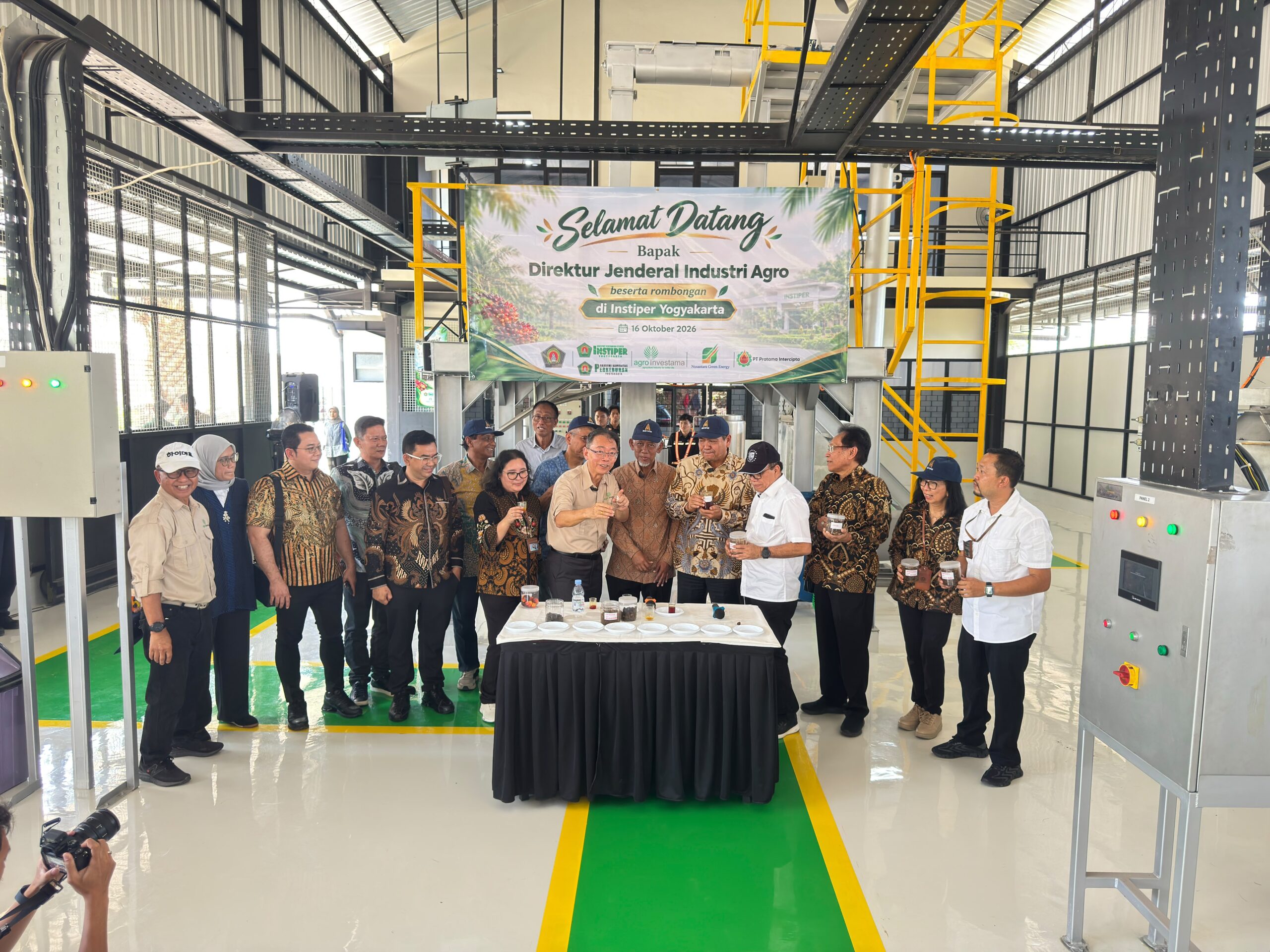
For Agro Investama Group, the integration between pro-farmer upstream governance through the “Energy Plantation” concept and the achievement of national energy transition targets embodies the private sector’s concrete contribution. We believe that a sustainable palm oil industry future must be built upon a foundation of equitable partnership, where farmers prosper, energy supply remains secure, and environmental preservation goes hand in hand.
Tags: B50 mandate Indonesia, SPOT, SPOT Teaching Plant Yogyakarta


 Facebook
 Instagram
 Tiktok
 Linkedin