


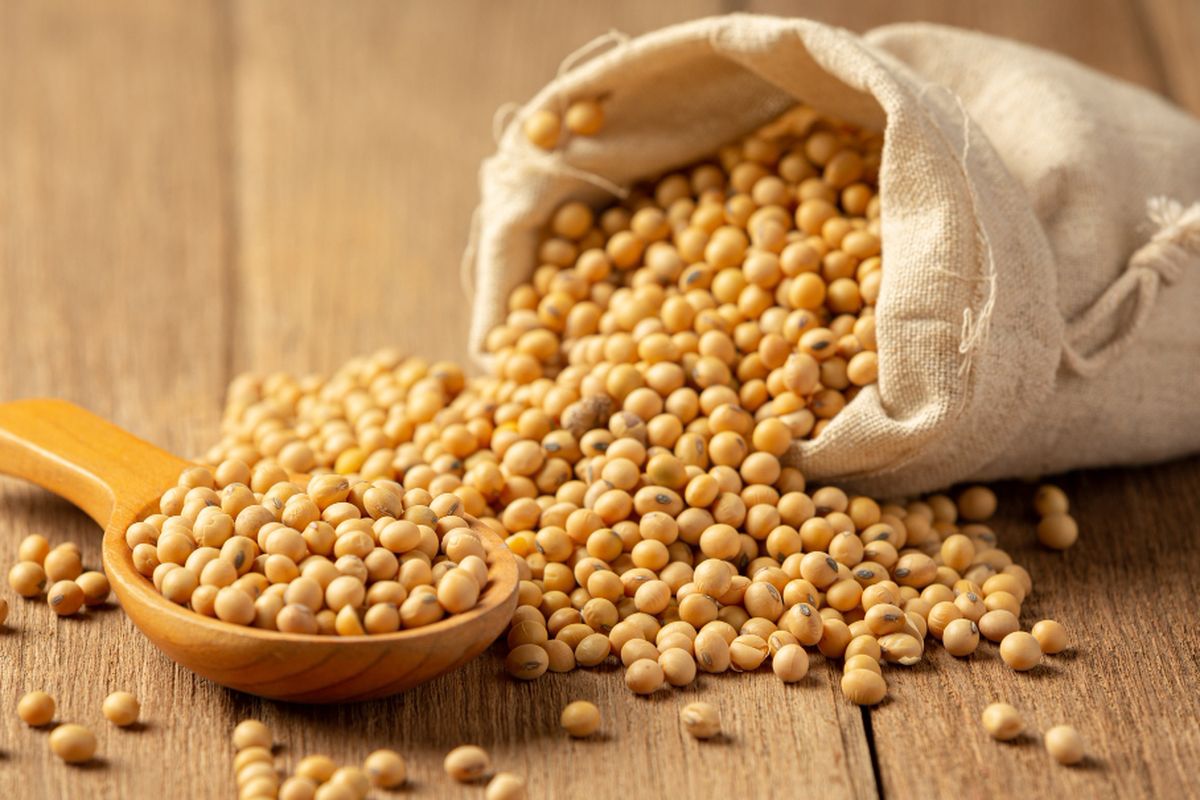
Food self-sufficiency remains a cornerstone of economic sovereignty in Indonesia, yet soybean independence stubbornly persists as one of our most intricate structural challenges. Despite massive domestic consumption driven by the tofu, tempeh, and food processing industries, reliance on imported supply chains continues to dominate the market.
The soybean dilemma extends far beyond a simple lack of farming interest; it is an accumulation of complex structural roadblocks:
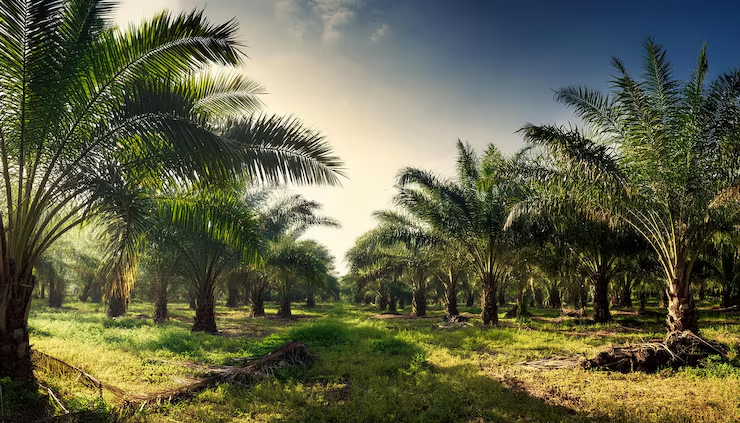
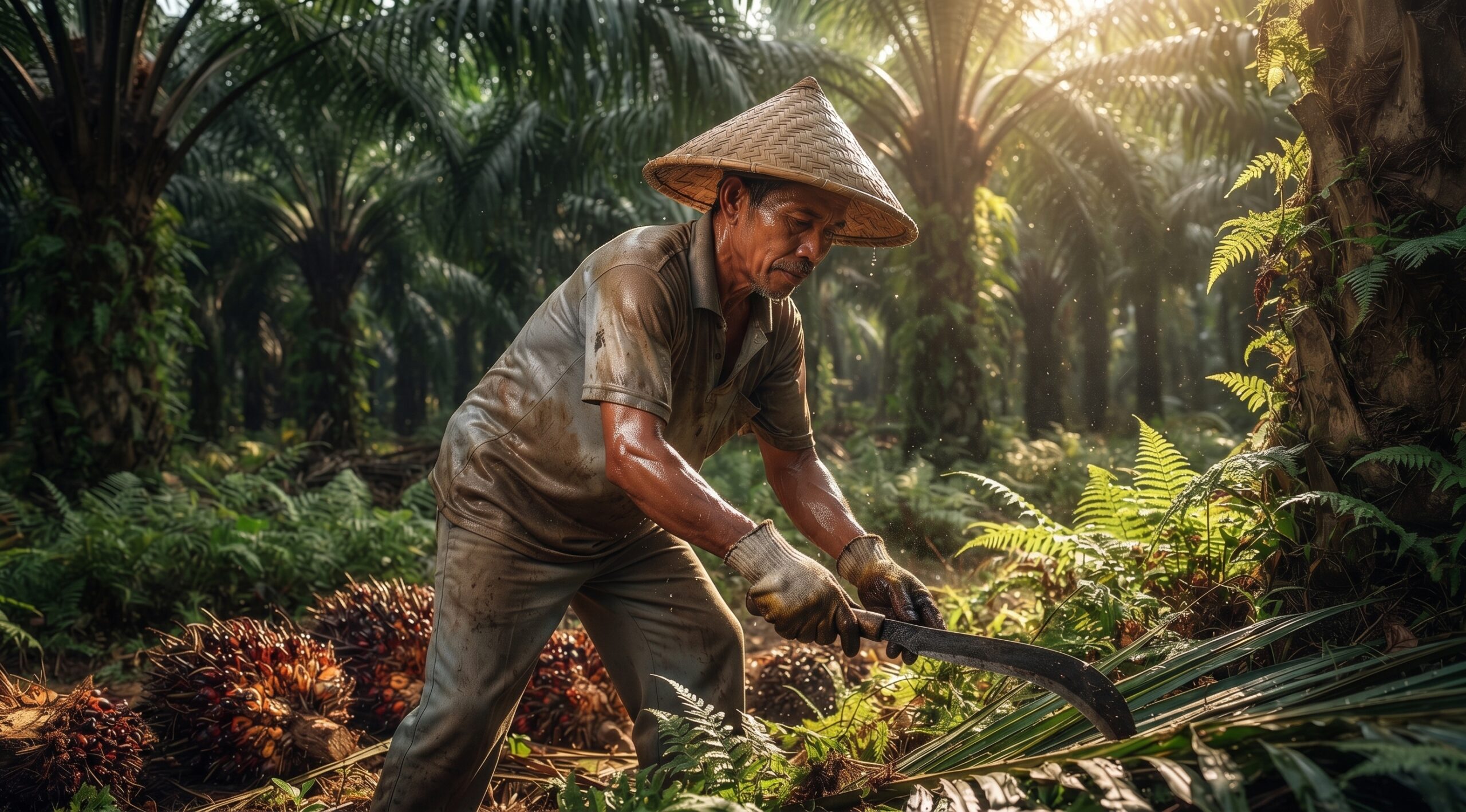
Land Competition & Economic Viability: The economic return of soybean farming frequently pales in comparison to high-value commercial commodities like oil palm or paddy rice, leaving farmers reluctant to allocate arable land to the crop.
Limitations in Superior Local Varieties: Domestic seed productivity often lags behind in pest resilience and yield volume per hectare, making local supply uncompetitive against massive, consistent import streams.
Supply Chain Volatility & Farm-Gate Pricing: Harvest price fluctuations, unbuffered by reliable off-taker guarantees, shift financial risks squarely onto smallholder farmers.
Realizing soybean self-reliance demands precision upstream intervention—ranging from high-yielding seed technology adoption and protective farm-gate pricing incentives to the integrated consolidation of regional production hubs.
What are your thoughts? Should food self-reliance policies prioritize aggregate volume targets or focus first on safeguarding local farmers? Let’s discuss in the comments below.

 Facebook
 Instagram
 Tiktok
 Linkedin