


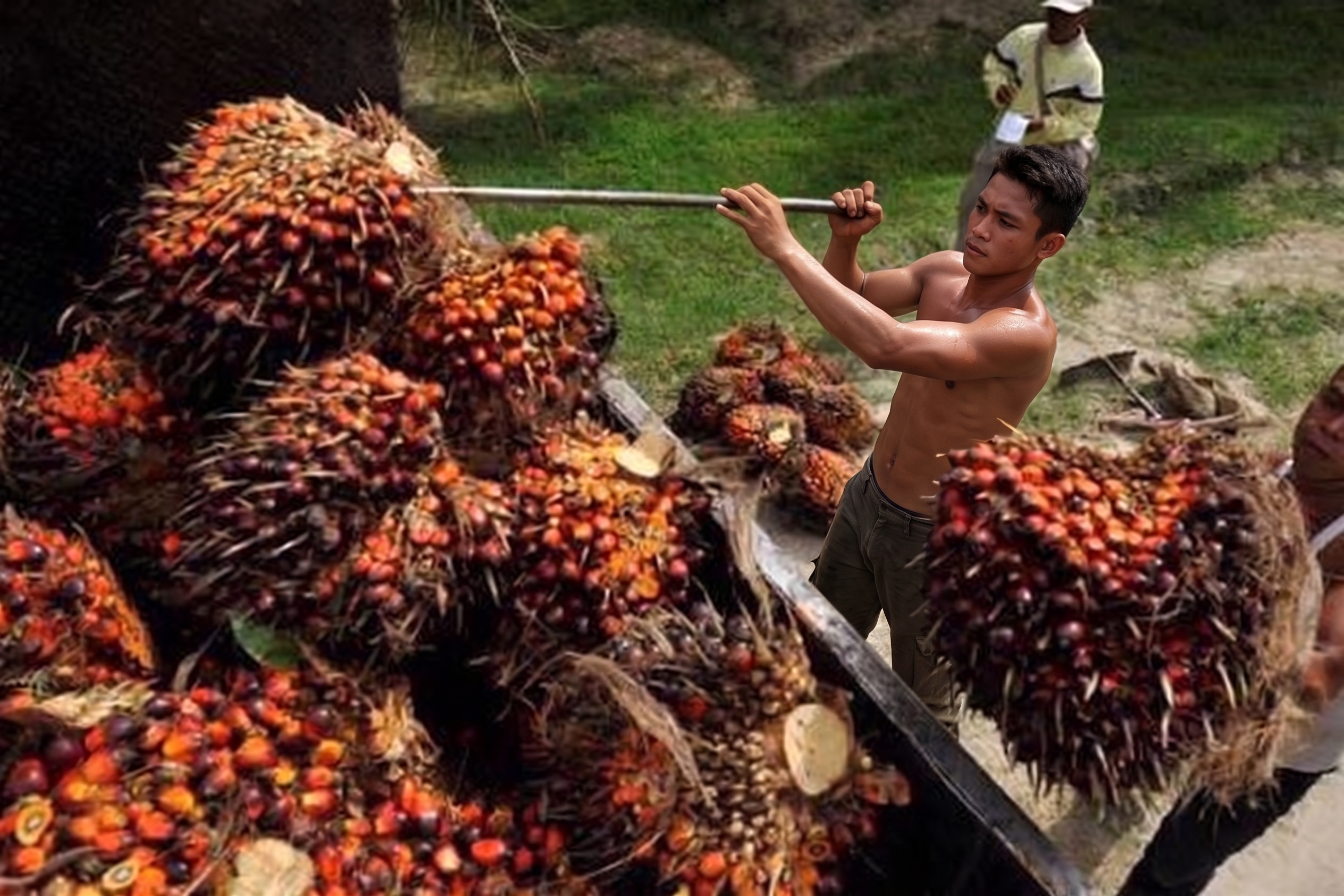
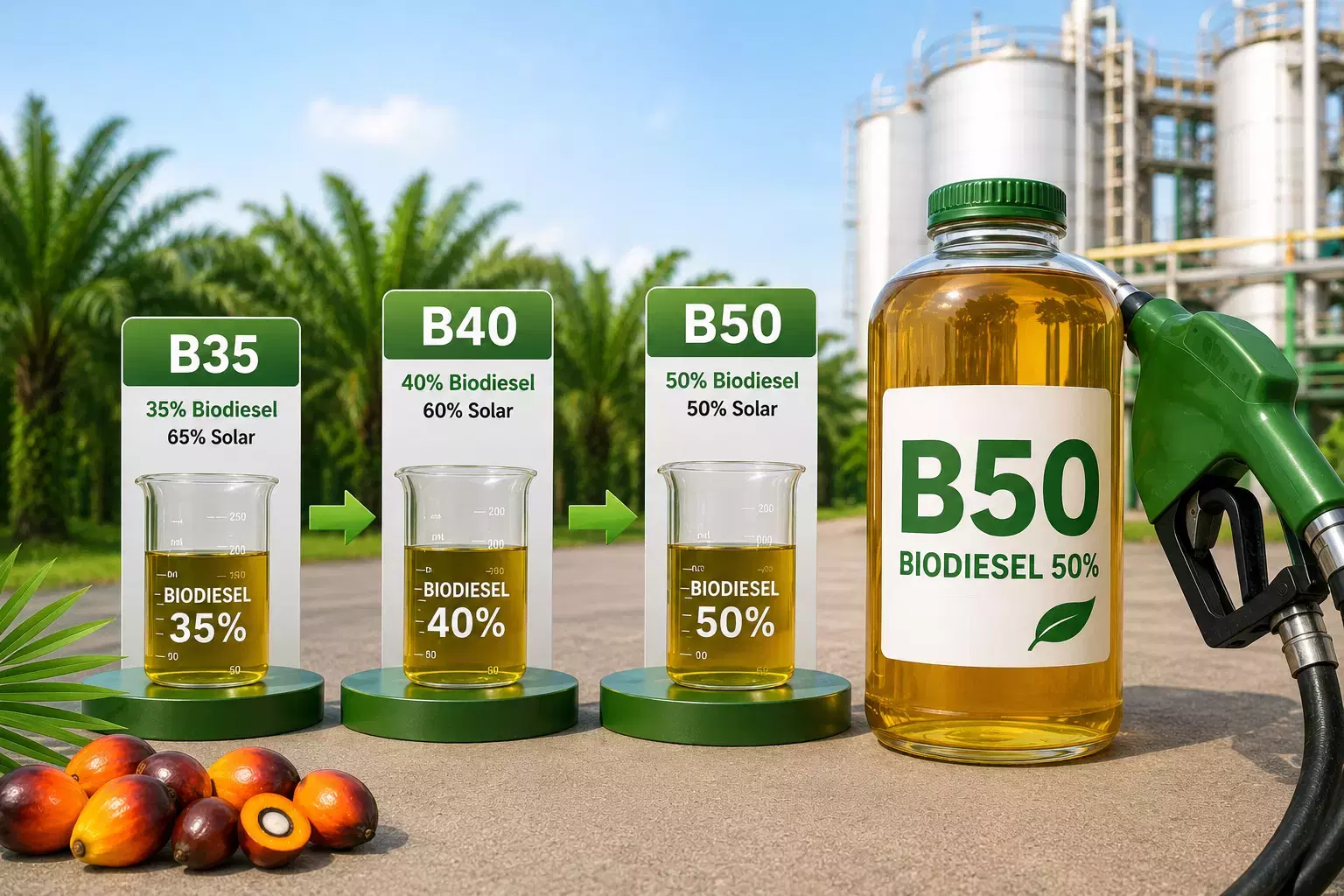
Two powerful forces are now directly intersecting at the heart of the national palm oil industry, bridging the threat of El Nino weather anomalies in the upstream sector with the rapid acceleration of the green energy transition through the implementation of the B50 mandate.
On one hand, surging domestic demand for CPO to fuel national energy independence absorbs massive volumes of supply. On the other hand, prolonged droughts driven by extreme weather frequently suppress Fresh Fruit Bunch (FFB) yields at the smallholder level, creating multi-layered supply chain and governance challenges.
When upstream supply is constrained by climate pressures while downstream energy demand spikes sharply, the industry’s challenges extend far beyond terminal blending readiness or machinery specifications. Both upstream and downstream sectors must move in tandem to maintain supply chain resilience amidst growing climate uncertainty, preventing this dynamic from triggering economic imbalances at the grassroots level.
Facing this dual test, strengthening climate resilience has become non-negotiable through the adoption of adaptive modern agronomic technologies at the upstream stage. Without safeguarding farmer productivity and ensuring sound processing efficiency, the ambition of green energy transition risks imposing an unintended burden on price stability and the welfare of independent oil palm growers.
Tags: B50 mandate Indonesia, EL Nino, Palm Oil

 Facebook
 Instagram
 Tiktok
 Linkedin