


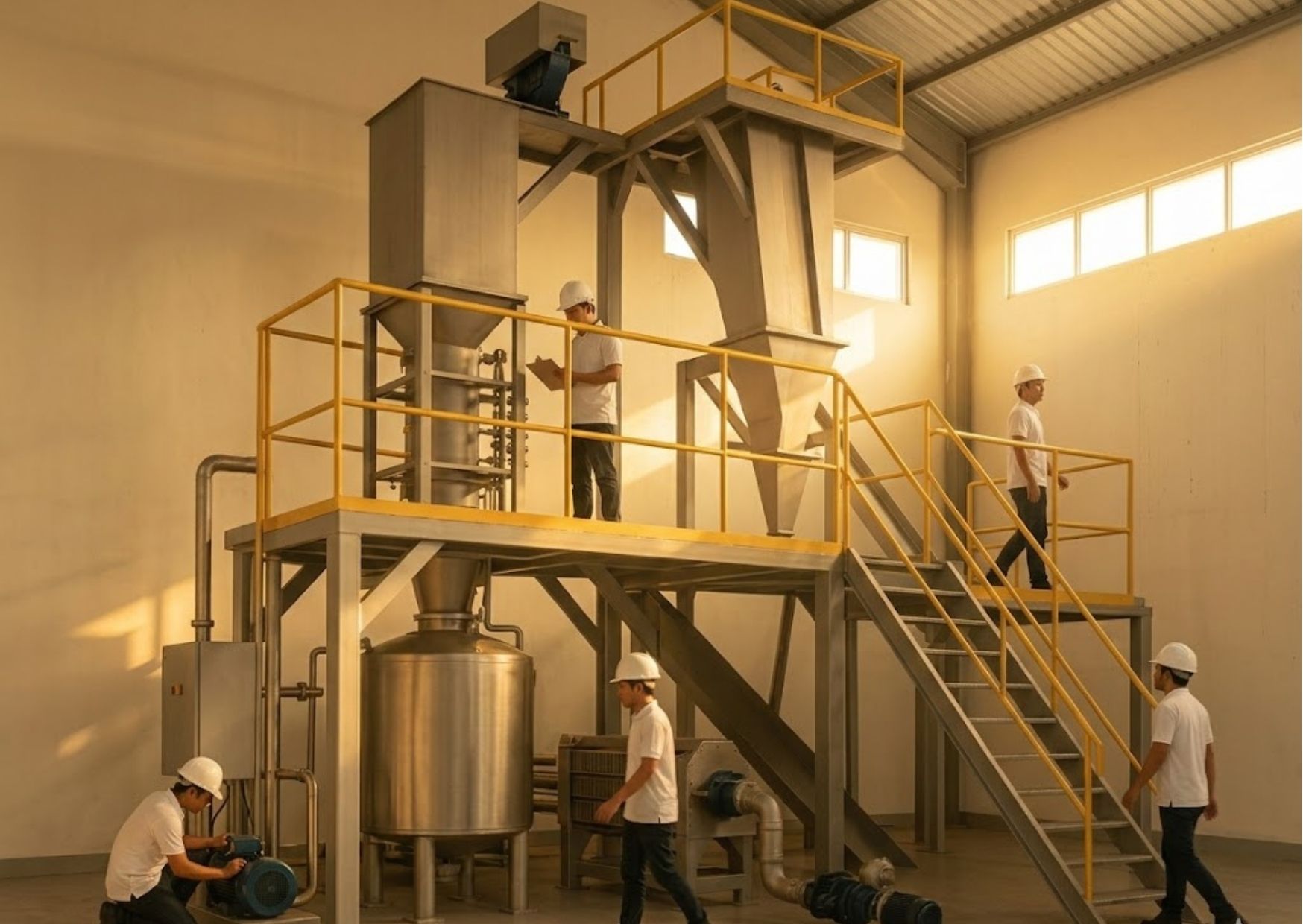
For a long time, discussions surrounding palm oil have typically centered on production figures and export volumes. However, the most significant shift is occurring in a place seldom discussed: inside the mill, within the processing itself. How we process palm oil today will dictate how the industry is perceived in the years to come.
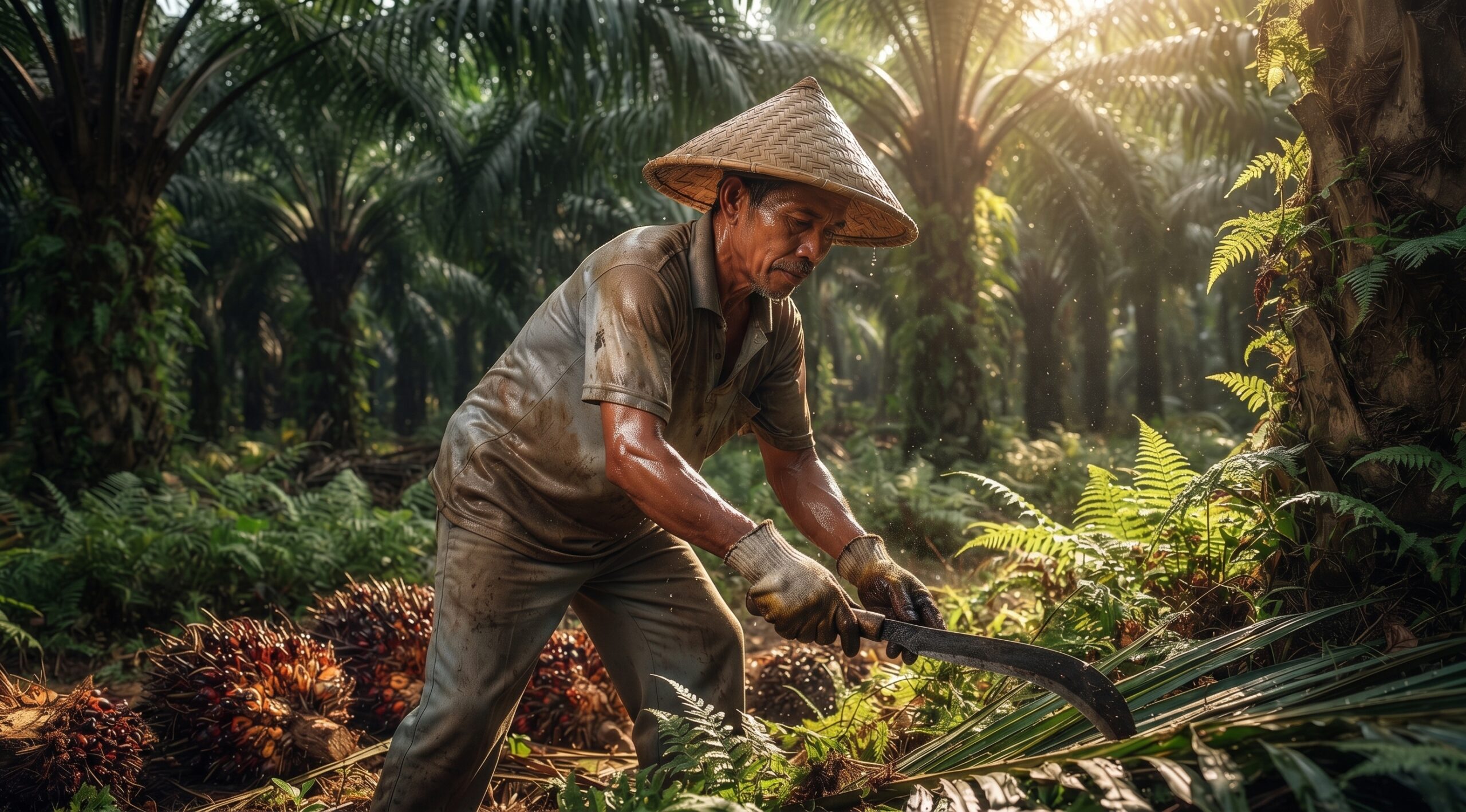
For decades, the industry has followed a pattern that has remained virtually unchanged. Fresh fruit bunches are steamed, water is consumed in vast quantities, energy is focused on powering boilers, and the process invariably concludes with liquid waste that must be managed. While this model has historically driven significant growth, increasing pressure regarding water usage, energy consumption, and environmental impact is now exposing its limitations.
At Agro Investama Group, we recognise that today’s industrial challenges are no longer merely about production capacity, but about the methods of production. This is why our focus has shifted to the processing stage itself. One of the approaches we are championing is the dry process, known as SPOT (Steamless Palm Oil Technology).
Unlike conventional processing, the dry method eliminates the steam-boiling stage. Without boilers and a reliance on steam, the fundamental structure of the mill changes. Water usage is kept to an absolute minimum, energy requirements are streamlined, and the primary source of liquid effluent is drastically reduced. International literature on steamless palm oil milling notes that sterilization is one of the most water- and energy-intensive stages of processing. When this stage is removed, the impact is felt across the entire system.
The most tangible change is seen in water consumption. In a conventional mill, water is used in large volumes, much of which ends up as Palm Oil Mill Effluent (POME). Dry processing reverses this approach. Water is no longer a primary requirement, allowing liquid waste to be significantly curtailed, reaching near-zero levels. We believe that sound environmental management should begin with prevention, rather than merely treating waste at the end of the line.
A further impact is energy efficiency. Without boilers and high-pressure steam systems, the mill’s energy load is lowered and the system becomes far simpler. Sustainability studies indicate that improving process efficiency is one of the most effective ways to reduce an industry’s environmental footprint, even before considering supplementary technologies or carbon offsets.
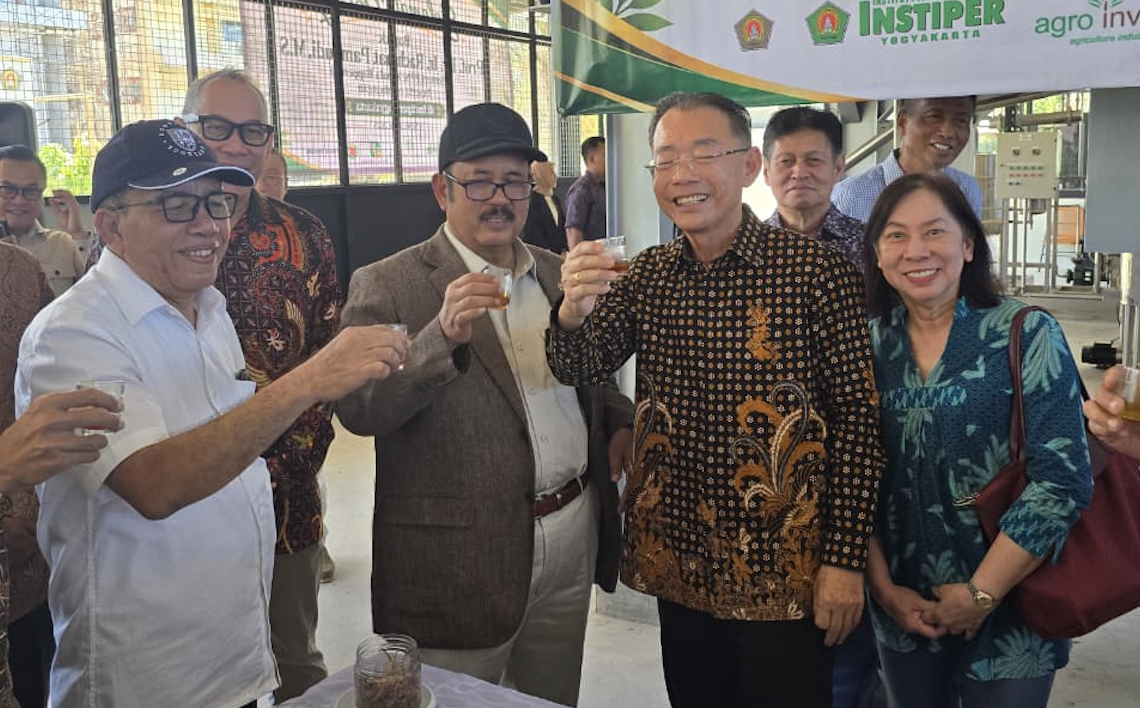
Questions regarding oil quality almost always arise when discussing dry processing. Technical studies and our own experiences show that oil quality can be maintained provided the process is well-controlled. In fact, because the fruit is not exposed to high-pressure steam, there is potential to better preserve its natural characteristics. This opens a broader conversation about how the process determines not only efficiency but also the character of the final product.
For us, SPOT is more than just a technological replacement; it demands a shift in mindset. It represents a move from systems reliant on heavy water and energy consumption towards those designed from the outset to be leaner, cleaner, and more efficient. This approach is most relevant for new mill developments or total transformations, where the process design can be aligned with environmental standards and industrial needs from day one.
The pressure on the palm oil industry will not relent. Water is becoming more precious; energy is becoming more expensive; and environmental standards are becoming stricter. In this context, dry processing is not just a technical alternative. It is a new direction!
We believe the future of the palm oil industry will be defined not just by how much we produce, but by how intelligently we process it. Dry processing is a central part of our effort to drive that change, rooted in science, tested in practice, and directed at answering the industrial challenges of today.
Palm oil will remain a vital pillar of the economy. The challenge is ensuring that our processing methods remain relevant to the demands of the modern era.



 Facebook
 Instagram
 Tiktok
 Linkedin