


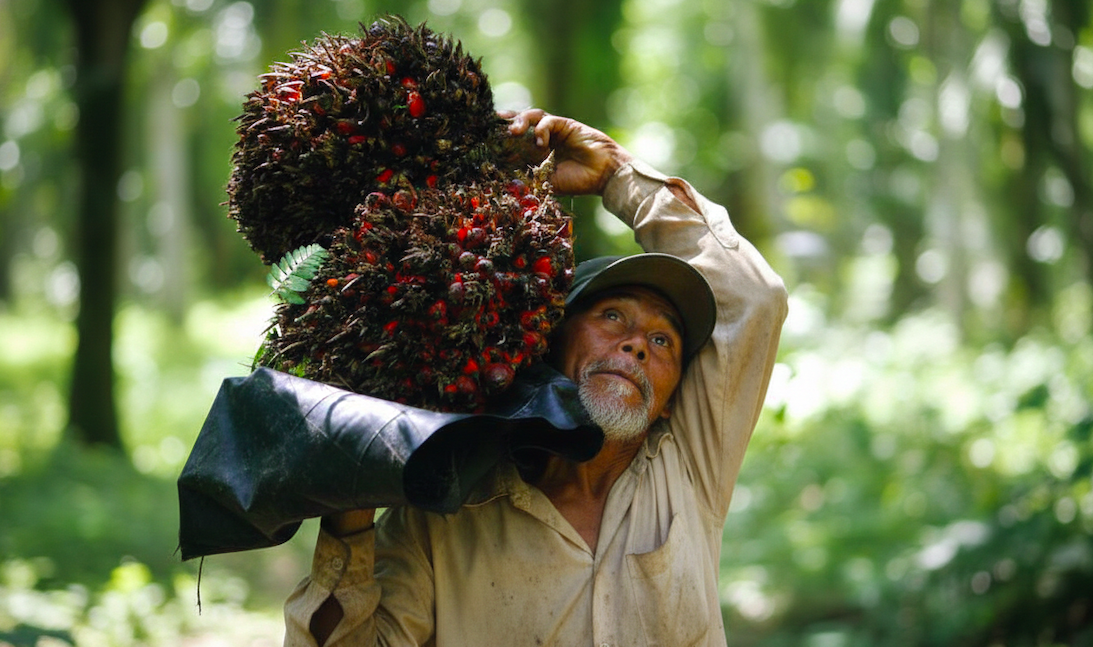
Lately, the term palm oil downstreaming has been appearing everywhere. In economic news, official speeches, and industry discussions. But honestly, not everyone fully understands what it means. It sounds technical, even though the concept itself is quite simple.
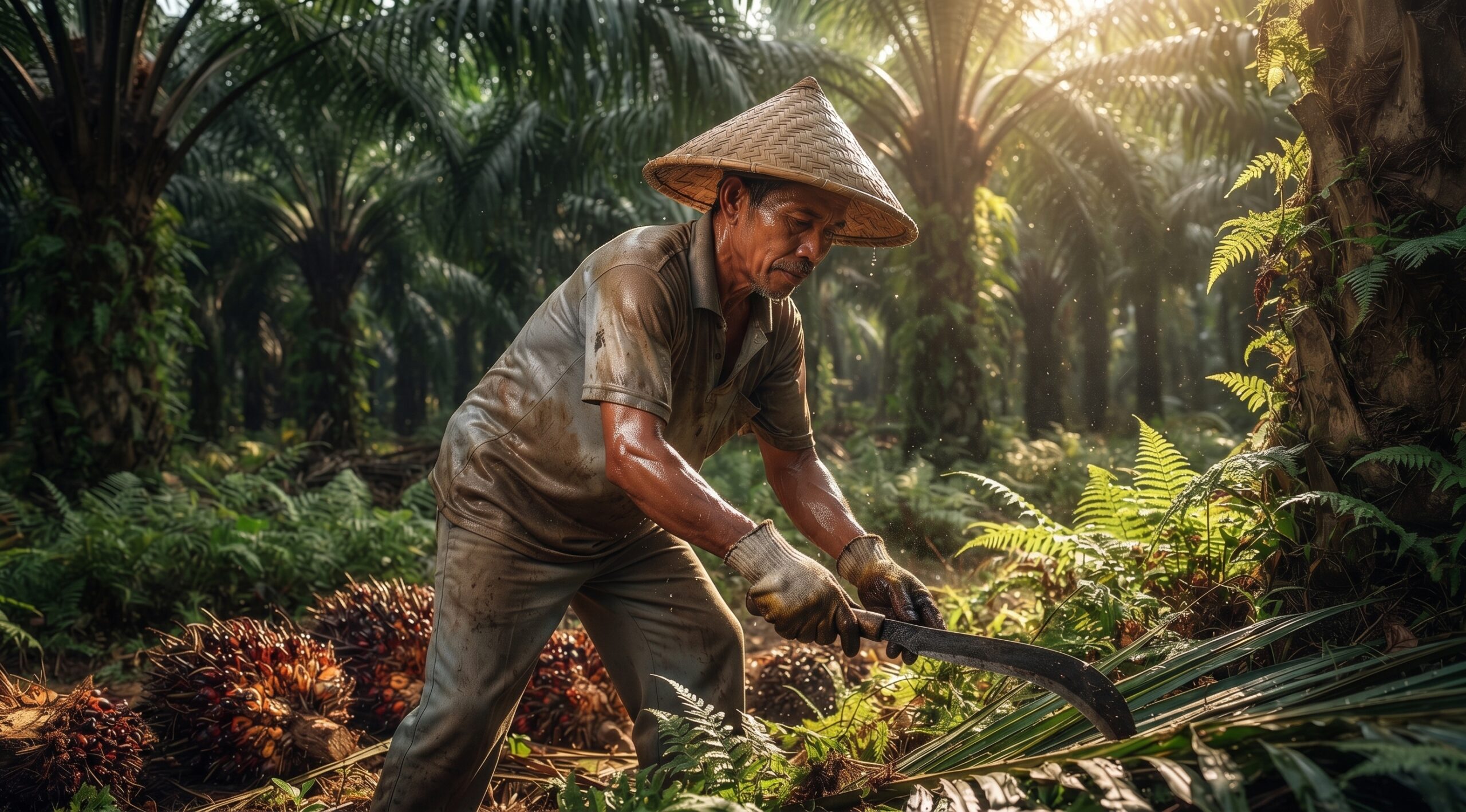
Palm oil downstreaming essentially means processing palm oil further so that it does not stop at the raw material stage. It is not just about harvesting and selling crude palm oil, but about transforming it into various products we use every day.
According to a range of industry studies, downstreaming is carried out to increase added value, create jobs, and ensure that the palm oil industry does not rely solely on exporting raw materials. In short, palm oil is not only sold; it is utilised and developed.
Palm Oil Is Not Just Cooking Oil
If we think about it, the results of palm oil downstreaming are already very close to our daily lives. Cooking oil, margarine, biscuits, chocolate, coffee creamer, soap, shampoo, and detergents — many of these products are palm-based.
A review published in the international journal Foods (MDPI) notes that palm oil is one of the most versatile vegetable oils in the world. It is widely used in the food industry, household products, and as a raw material in the chemical sector. So when we talk about downstreaming, we are actually talking about products we already use every day.
Biodiesel is one of the most frequently discussed forms of palm oil downstreaming. However, beyond energy, downstreaming also covers food products, the food industry, oleochemicals, and consumer goods. In several countries, downstream development is in fact stronger in the food and non-energy industrial sectors.
This is where palm oil is no longer seen merely as a commodity, but as a flexible industrial raw material.
There is, however, one aspect of palm oil that is rarely discussed in downstreaming conversations: the natural content of the palm fruit itself. Several studies, including summaries compiled by BPDPKS, indicate that palm fruit flesh naturally contains beta-carotene as provitamin A, as well as natural vitamin E.
In common palm oil processing, these vitamins can be reduced during refining. For that reason, nutritional value is not always the main objective of downstreaming, unless the process is specifically designed for food purposes.
Recently, this type of approach has begun to re-emerge in discussions. Not to replace the roles of energy or industry, but to complement them. Palm oil is not only about economics; it also holds potential in the food and nutrition sectors.
Downstreaming Is About Direction
Ultimately, palm oil downstreaming is not about how advanced the technology is, but about the direction it takes. Is palm oil to be developed for energy, food, industry, or a combination of all three?
Experience from various countries shows that there is no single correct model. What matters is that palm oil does not stop as a raw material. It is processed, utilised, and given added value.
When downstreaming is understood in this way, discussions about palm oil become easier to follow. They no longer feel distant or overly technical, but connected to everyday life.



 Facebook
 Instagram
 Tiktok
 Linkedin