


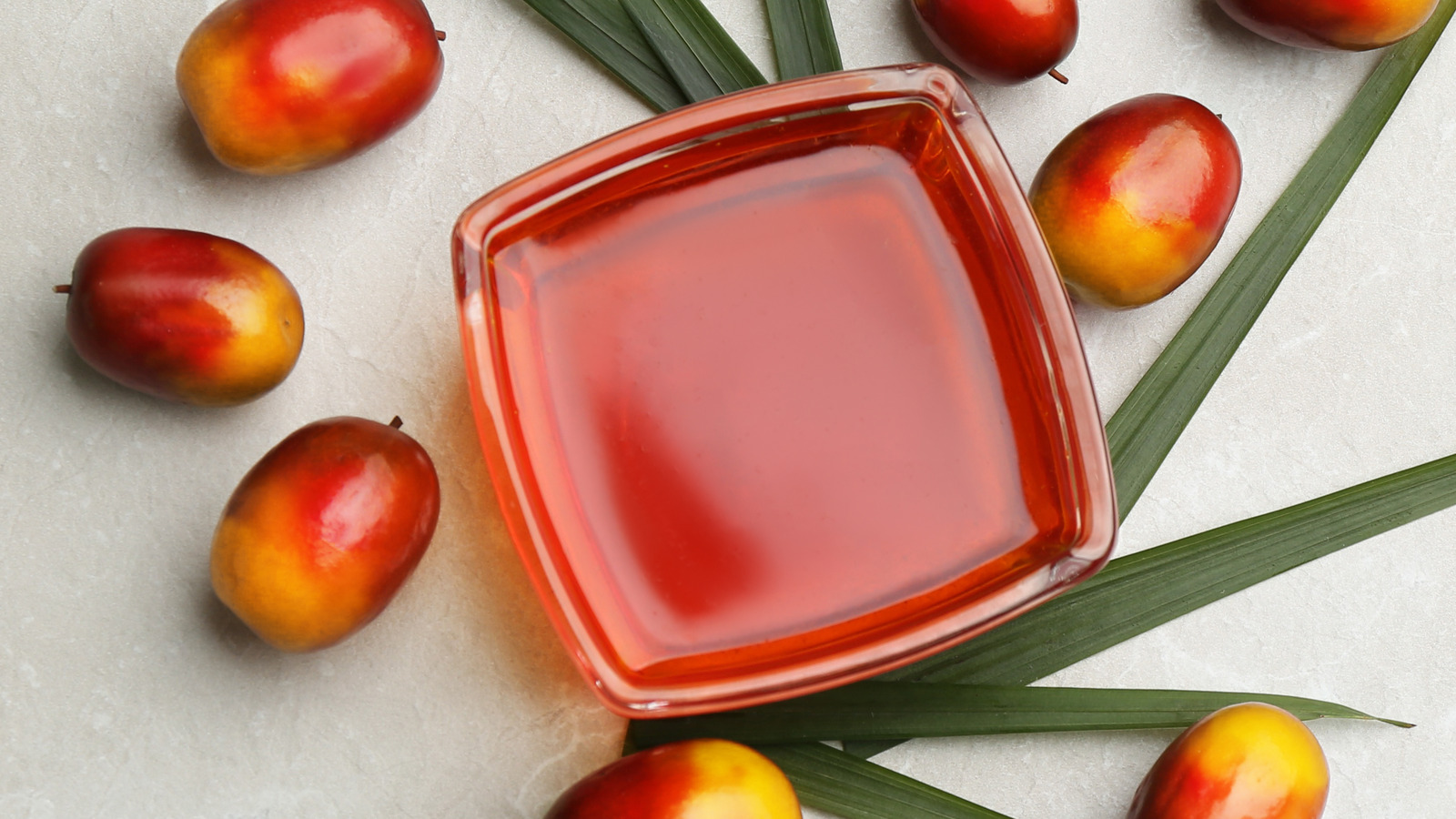
Palm oil is almost always discussed in the context of energy, price, and industry. Yet, if we take a step back, the oil palm is a fruit. And as a fruit, it harbours nutrients. What is often forgotten is that these nutrients do not simply vanish on their own; they are lost because of the way we process them.
This is where the distinction between conventional palm oil and red palm oil becomes vital.
The palm oil we commonly use in our daily lives comes from a lengthy process designed for stability and scale. Refining, bleaching, and deodorising make the oil clear, neutral, and long-lasting. While this process is effective for mass consumption, various food studies indicate that the carotenoids and natural vitamins within the palm fruit are drastically reduced during these stages. This is why standard cooking oil contains almost no natural pro-vitamin A.
Palm Mesocarp Oil (Red Palm Oil) takes a different path. It is derived from the fruit’s pulp through a milder process, without intensive bleaching. The remaining red-orange hue is not just for show; it is a sign that beta-carotene is still present. Beta-carotene is widely known as pro-vitamin A, a form of vitamin A that the body converts as needed.
International research shows that red palm oil is one of the most concentrated natural sources of pro-vitamin A among all vegetable oils. Studies published in Nutrition and the Journal of Nutrition note that consuming red palm oil can increase blood retinol levels, a key indicator of an individual’s vitamin A status. This fact is further supported by studies from BPDPKS, which identify palm as one of Indonesia’s natural storehouses for vitamins A and E.
Interestingly, the beta-carotene in Palm Mesocarp Oil exists within its natural fat matrix. This means its absorption by the body is actually more effective compared to beta-carotene from vegetables consumed without fat. This is precisely why red palm oil is discussed in the context of food, rather than as a supplement.
In Indonesia, the issue of vitamin A deficiency is not an old story. Micronutrient deficiencies are still found among vulnerable groups, particularly children. Thus far, the common approach has been fortification and supplementation. Both are important. However, Palm Mesocarp Oil opens another door: vitamins that are already naturally present in food, derived from local sources, and can be integrated into diets without drastic changes.
This is what drives deeper studies into Palm Mesocarp Oil, including the work we do alongside research partners and academics. The focus isn’t on creating a sensational product, but on understanding one fundamental thing: how to keep vitamins intact through our choice of processing.
Ultimately, this isn’t about high-tech gadgets or new markets. It is about a decision. Do we want to continue processing palm oil solely for industrial functions, or do we start making room for it to return to its basic role as a source of nutrition?
When palm oil is discussed through the lens of vitamins, the story truly changes. It is no longer about energy tanks or cosmetic shelves, but about the dinner table and health. And perhaps, that is where the downstreaming (hilirisasi) of palm oil finds a meaning that is much closer to our everyday lives.
Tags: Palm Oil, Red palm oil, VItamin






 Facebook
 Instagram
 Tiktok
 Linkedin