

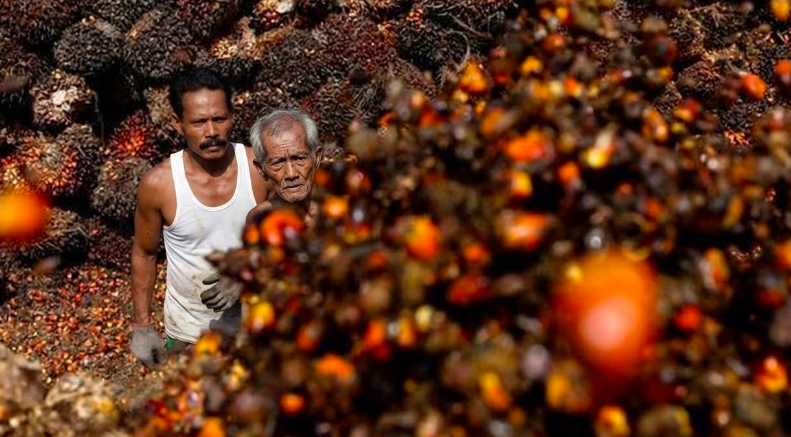
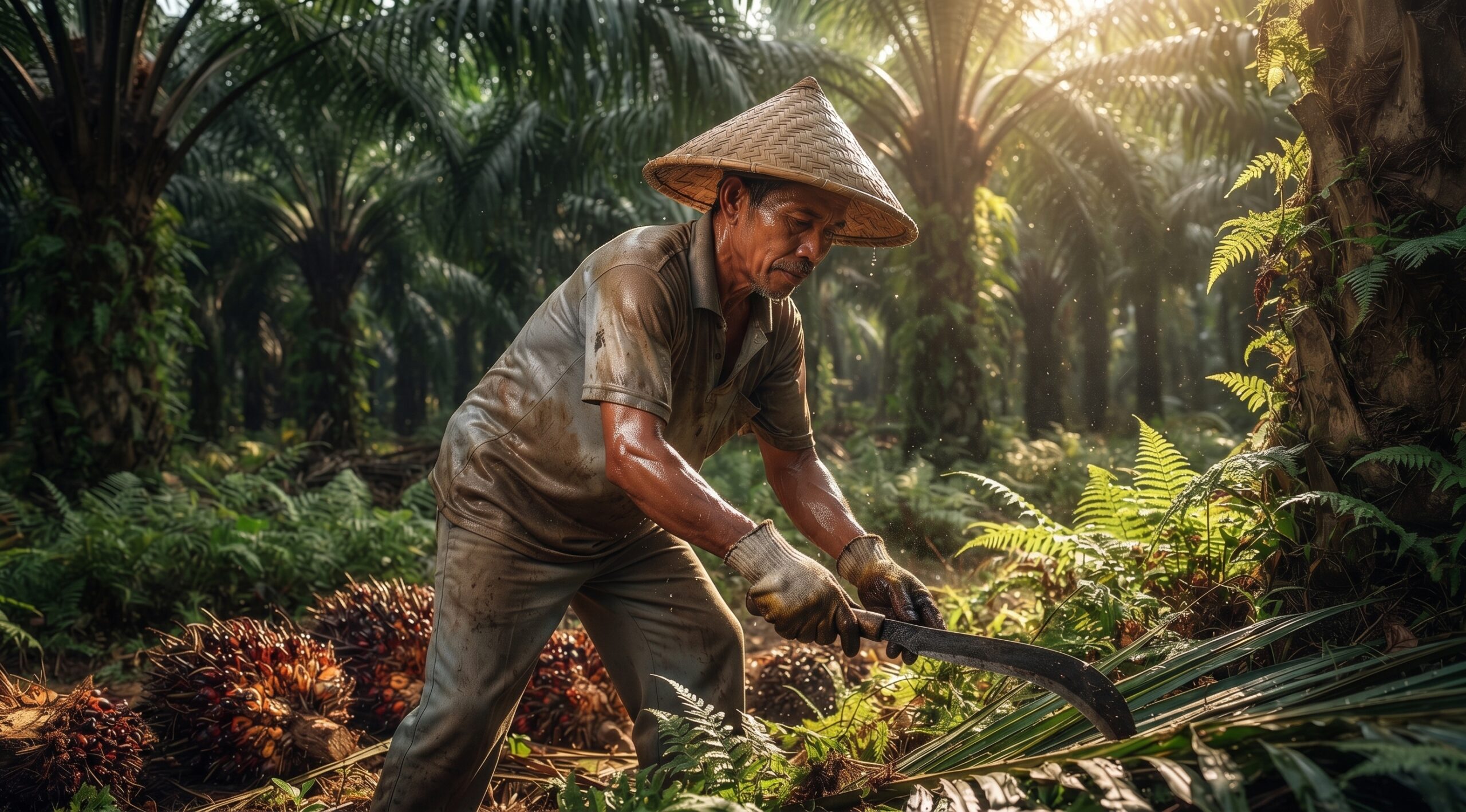
When we discuss nutrition, public attention often gravitates towards protein, iron, or Vitamin A. Vitamin E rarely takes centre stage, despite its critical role, especially during the crucial phases of a child’s growth and development. This is where the untold story of the oil palm fruit begins.
The palm fruit naturally contains Vitamin E in two primary forms: tocopherols and tocotrienols. Both are renowned antioxidants that protect the body’s cells from oxidative stress. What sets palm oil apart from other vegetable sources is its relatively high concentration of tocotrienols: a form of Vitamin E often associated in nutritional literature with broader biological activity than tocopherols alone.
According to various nutritional publications from the WHO and FAO, Vitamin E is essential for maintaining immune system function, tissue health, and cell membrane stability. During childhood, these functions become paramount as the body undergoes active cell division and development. Protecting these cells forms the very foundation of healthy growth.
Palm oil, particularly when processed to retain its natural components, is documented as one of the most significant plant-based sources of Vitamin E. Journals such as Food Chemistry and the Journal of Nutrition note that palm-derived tocopherols and tocotrienols possess potent antioxidant activity, offering potential support for the health of bodily cells and tissues.
A frequently overlooked detail is the nature of Vitamin E itself: it is fat-soluble. This means its absorption is far more effective when consumed alongside natural fats. In this context, palm oil offers a practical advantage. The Vitamin E it contains is already embedded within a lipid matrix, making it “bio-ready” for the body to absorb without the need for additional formulation.
In discussions regarding maternal and child nutrition, stunting is often simplified as a lack of protein or energy. However, various studies show that stunting is far more complex, influenced by micronutrient adequacy, immune resilience, and the consistent quality of food consumed. While antioxidants like Vitamin E are not a “silver bullet” solution, they are vital pieces of a complementary nutritional puzzle.
This is where a food-based approach becomes relevant. The FAO, in its recommendations, emphasises improving nutrition through familiar, accessible foods that align with local eating habits. Within this framework, the oil used daily for cooking does more than just define taste and texture; it determines nutritional quality.
When food is designed to be more nutritious without drastically altering consumption patterns, nutritional intervention becomes more sustainable. This approach aligns with global efforts that advocate for a balanced diet, where micronutrients are present naturally in everyday meals rather than solely through supplements.
It is important to clarify that palm-derived tocopherols and tocotrienols are not the sole answer to nutritional challenges. However, they are a frequently missing piece of the conversation. Inside the body, Vitamin E works alongside Vitamin A, iron, zinc, and protein to support growth and resilience. When one element is neglected, the entire balance is affected.
Viewing palm oil through this lens offers a fresh perspective. It is not merely a story of economics and industry, but of how local resources can contribute to food quality. Tocopherols and tocotrienols remind us that the value of a food source is not always visible from the outside. It is found in the vital role it plays within the body.
In our quest to build a healthier generation, attention to these details is essential. Nutrition is not just about grand programmes or policies; it is about what consistently appears on the dinner table every single day.
Tags: Palm, tochoperols, tocotrienols



 Facebook
 Instagram
 Tiktok
 Linkedin